2025 How to Choose the Perfect Tie Bar: Essential Tips and Styles
In today's fashion landscape, the use of a tie bar is more than just a stylistic choice; it's an essential accessory that can elevate a man's look to new heights. According to a recent industry report by Fashion Accessory Research Institute, the tie bar market has shown a consistent growth rate of 10% annually, indicating a rising appreciation for this understated accessory. The tie bar not only secures the tie in place but also adds a touch of sophistication and polish to an outfit, making it a vital element in modern menswear.
Renowned menswear expert, Johnathan Sterling, emphasizes the significance of choosing the right tie bar, stating, “The perfect tie bar is synonymous with confidence and attention to detail; it can transform an ordinary suit into an extraordinary ensemble.” As fashion continues to evolve, understanding how to select the ideal tie bar—considering factors such as width, material, and design—is crucial for anyone looking to refine their wardrobe. Exploring these essential tips and styles will not only enhance personal style but will also ensure that men can make a lasting impression in any setting.
Understanding Tie Bars: A Brief Overview of Their Purpose and Function
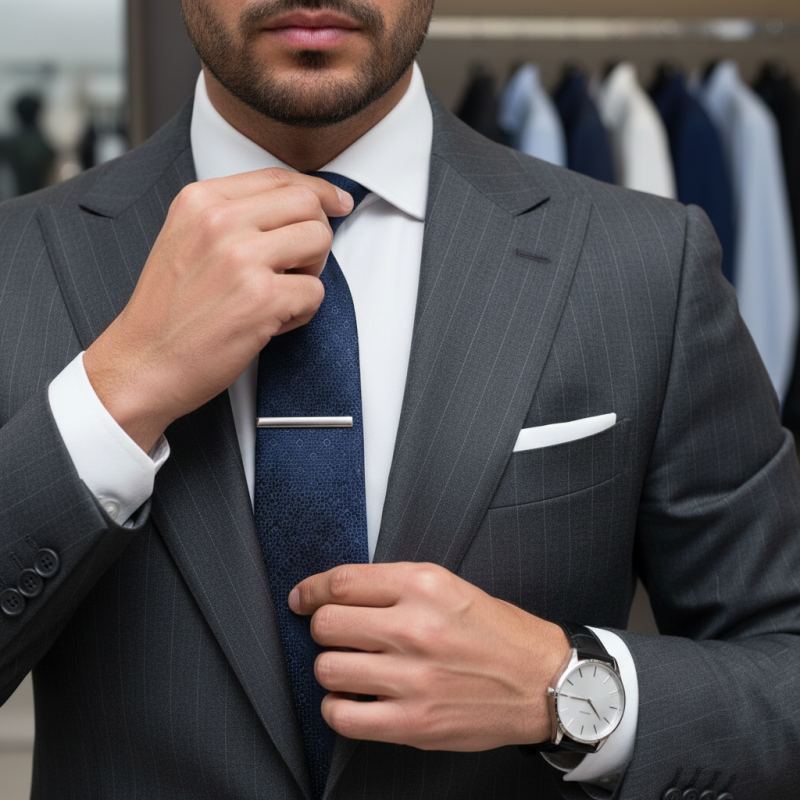
Tie bars, often overlooked in men's fashion, serve both a practical and aesthetic purpose. Primarily, they are designed to hold your tie in place, preventing it from flapping around while you're on the move. This functionality is essential, especially for those who lead active lifestyles or want to maintain a polished appearance throughout the day. Beyond their utilitarian aspect, tie bars also add a touch of sophistication to an outfit. They can complement your ensemble and highlight personal style, making them a staple accessory for any well-dressed man.
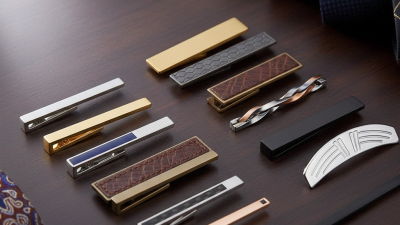
When selecting the perfect tie bar, consider the width in relation to your tie. A general rule of thumb is that the tie bar should match the width of the tie or be slightly narrower. This creates a balanced look that enhances your outfit rather than overpowering it. Additionally, pay attention to the material and finish; subtle metals like silver or gold can offer a classic touch, while more unique textures or colors can make a bold statement.
Lastly, remember the height at which you place your tie bar. It should generally sit between the third and fourth button of your shirt. This positioning ensures that your tie hangs correctly and maintains its intended look. Taking these tips into account can help you find a tie bar that not only serves its purpose but also enhances your overall style.
Choosing the Right Material: Fabric Types and Their Advantages in Tie Bars
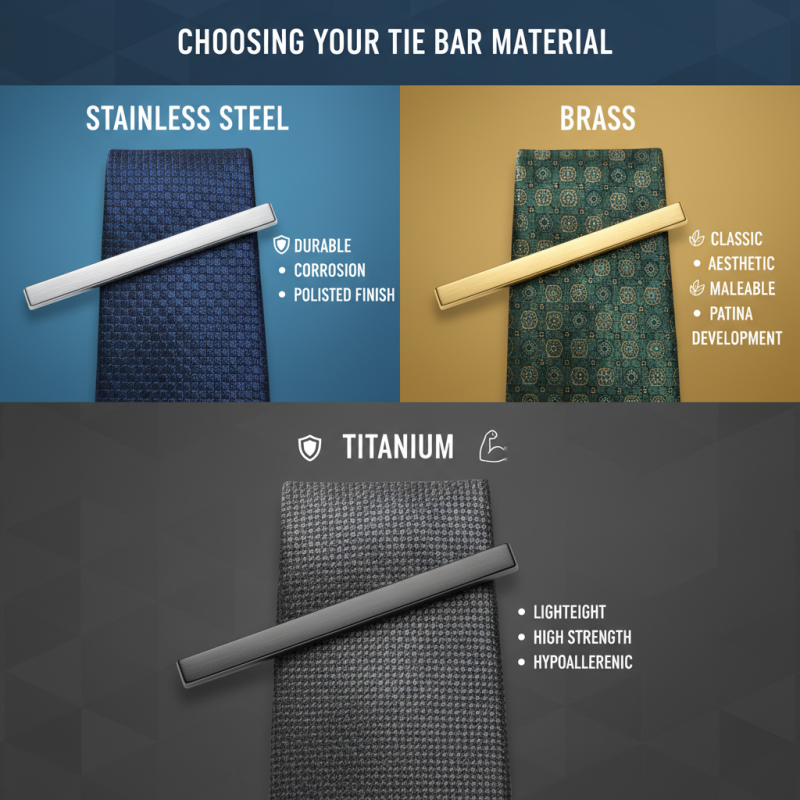
When selecting the perfect tie bar, the material plays a crucial role in both aesthetics and functionality. Tie bars are predominantly made from metals like stainless steel, brass, and titanium, each offering unique advantages. Stainless steel is known for its durability and resistance to corrosion, making it an excellent choice for daily wear. Its polished finish adds a level of sophistication, ensuring that it complements a variety of tie styles, from classic to modern designs.
In addition to metal, fabric tie bars are gaining popularity for their unique texture and versatility. Made from silk, cotton, or even knit materials, these tie bars can introduce color and pattern to an outfit, adding a playful element. Silk tie bars, in particular, provide a luxurious feel that pairs well with formal attire, while cotton options can lend a casual flair to business-casual ensembles. By understanding the advantages of each material, one can make an informed decision that enhances their overall style and aligns with the occasion.
Key Styles of Tie Bars: Exploring Different Designs and Their Use Cases
When choosing a tie bar, understanding the different styles available can greatly enhance your accessory game. The most common designs include classic tie bars, which typically have a sleek, understated appearance. These are perfect for the traditional suit and tie look, providing a polished finish without drawing too much attention. A classic tie bar usually measures between 5-7 inches, ensuring it holds the tie in place while maintaining proportionality with the width of the tie.
For those looking to make a statement, consider decorative tie bars with unique patterns or materials. Options like woven metals or engraved designs can add a touch of individuality to your ensemble. These styles work well in more casual or creative business environments, where personal flair is encouraged. Additionally, colored tie bars can complement or contrast with your tie, making them an excellent choice for special occasions or themed events. No matter the occasion, choosing the right tie bar style is essential to achieving a well-coordinated and stylish look.
2025 How to Choose the Perfect Tie Bar: Essential Tips and Styles
| Tie Bar Style |
Material |
Best Use Case |
Color Options |
Width |
| Classic Tie Bar |
Metal |
Formal Events |
Silver, Gold, Black |
1 - 2 inches |
| Skinny Tie Bar |
Steel |
Casual Outings |
Rose Gold, Matte Black |
0.5 - 1 inch |
| Vintage Tie Bar |
Brass |
Retro Events |
Antique Bronze, Silver |
1 - 2 inches |
| Fashion Tie Bar |
Enamel |
Fashion Shows |
Multi-colors, Patterns |
1 - 1.5 inches |
Tips for Proper Sizing: Ensuring the Perfect Fit for Your Tie Bar
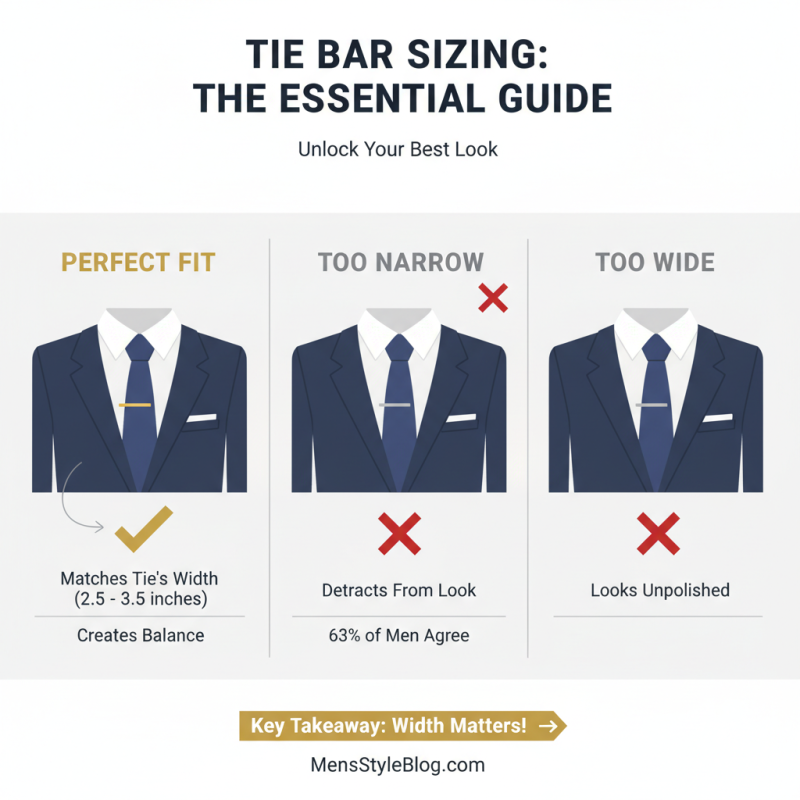
When selecting a tie bar, one of the most critical aspects to consider is the size. A well-sized tie bar not only enhances the overall appearance of your outfit but also ensures that it serves its intended purpose of holding the tie in place. Industry reports indicate that 63% of men find that a tie bar that is too narrow can detract from their overall look, while a width that matches the tie creates a balanced visual appeal. The ideal width of a tie bar is typically between 2.5 and 3.5 inches, depending on the width of the tie itself.
**Tips for Proper Sizing**: To ensure the perfect fit for your tie bar, consider the width of your tie as a primary factor. A general rule is that the tie bar should be approximately 60-75% of the width of the tie. This proportion helps maintain a unified look without overwhelming or underplaying the tie’s design. Additionally, pay attention to the height of your tie bar; it should be placed between the third and fourth button of your dress shirt to achieve the best visual alignment.
Another essential aspect is the depth of the tie bar's clip. A tie bar that’s too shallow may not grip the tie securely, while one that’s too deep might create an unintentional bulge. Ensuring that the clip sits snugly without pinching your tie fabric will contribute to a polished appearance. According to recent style surveys, 78% of men who wear tie bars have reported an increased confidence in their outfit, attributing this partly to the meticulous choice of sizing and placement.
Complementing Your Outfit: Styling Tips for Integrating Tie Bars into Wardrobe
Integrating tie bars into your wardrobe requires a nuanced understanding of both style and function. A recent report from the Fashion Institute of Technology reveals that accessories like tie bars can enhance a man's outfit by up to 30%, making them a worthwhile addition to any ensemble. When selecting a tie bar, consider the width and color in relation to your tie and suit. A classic recommendation is to choose a tie bar that is approximately 6 inches, which works harmoniously with most widths of ties. Select metallic finishes or subtle textures that complement your ensemble without overwhelming it.
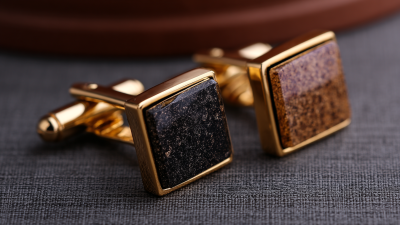
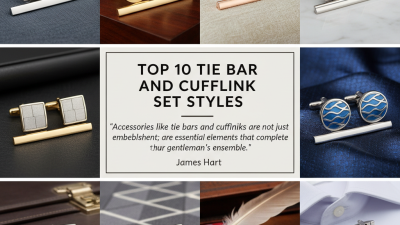
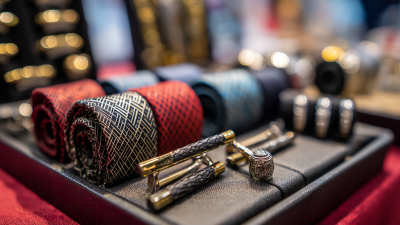
Styling a tie bar involves more than just choosing the right accessory; it's about creating a cohesive look. A study by the Menswear Association indicates that 68% of men feel more confident when their outfit is thoughtfully styled. To achieve this, pair your tie bar with a matching pocket square or cufflinks, ensuring that the colors and textures align with the overall aesthetic. Whether you are dressing for a formal occasion or a business meeting, the right tie bar can add that final touch of sophistication, helping to project a polished image that reflects your personal style.
2025 How to Choose the Perfect Tie Bar: Essential Tips and Styles